


There are places where outdoor living is an activity, and places where it is simply part of daily life. Maine is firmly the latter. From wooded neighborhoods and lakefront properties to camps, trails, and backyard spaces that are used from early spring through late fall, Maine is built around being outside. Families spend real time in their yards. Pets roam freely. Outdoor traditions are not occasional. They are routine.
That is exactly why we are excited to share an important milestone for our brand. ohDEER is opening its first-ever location in Maine!
This expansion is not about filling in a map. It is about entering a state that reflects what ohDEER was built for: outdoor living, community-centered ownership, and responsible solutions that protect both people and the environment.
Maine’s landscape tells the story on its own. Many residential properties are surrounded by wooded edges, stone walls, leaf litter, and brushy transition zones between lawn and forest. Wildlife movement is constant, particularly deer and small mammals that play a role in tick activity. These are not fringe conditions. They are common features of Maine properties.
At the same time, outdoor use is deeply woven into everyday life. Camps, gardening, cookouts, youth sports, and dogs that go everywhere are part of the culture. When people are outside this often, protection is not a seasonal concern. It is about ongoing confidence and peace of mind.
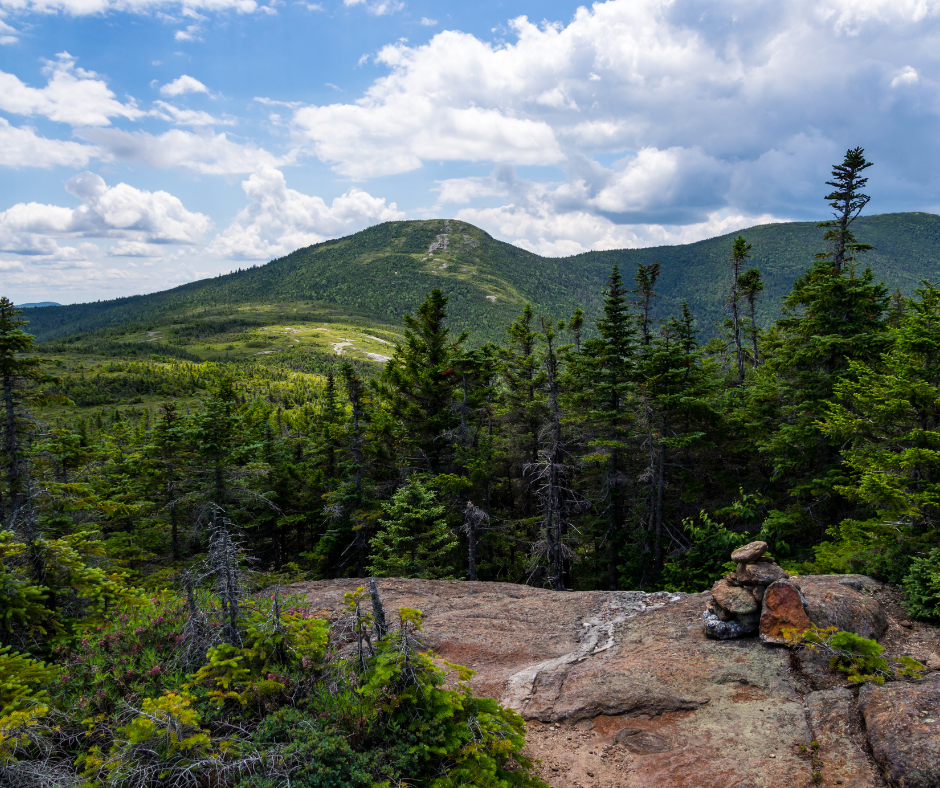

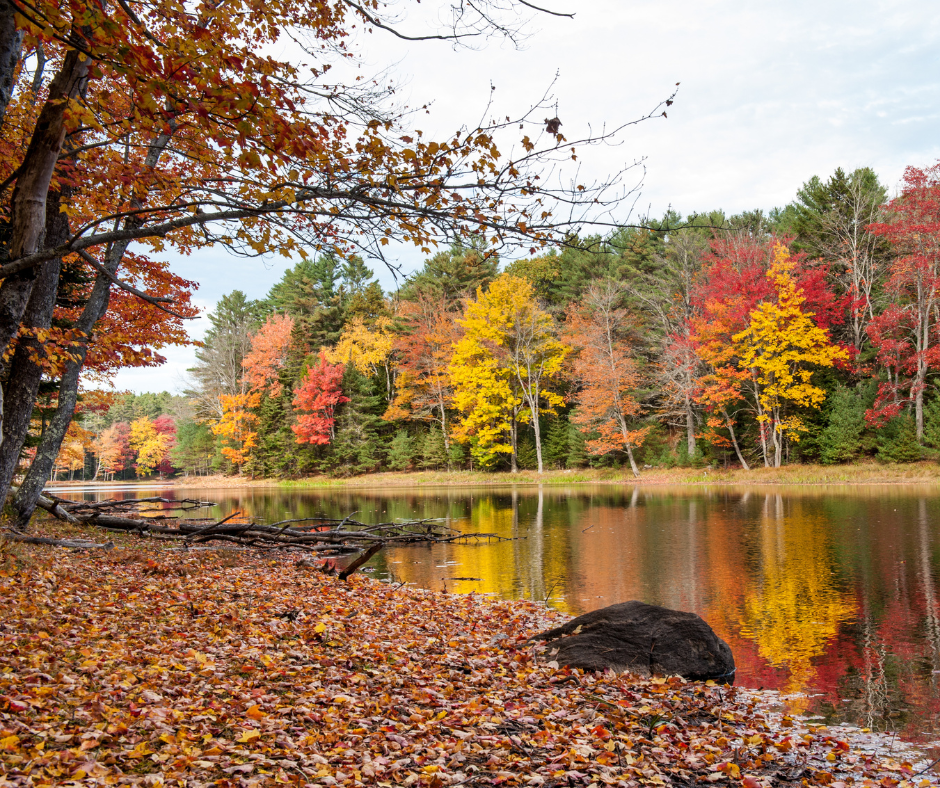
Maine communities also tend to value solutions that feel aligned with the environment they live in. That mindset has been central to ohDEER since day one. We were founded on the belief that families should not have to choose between enjoying their outdoor spaces and feeling good about what is being applied around their homes, children, pets, and pollinators.
That combination of outdoor living, rising tick pressure, and a strong preference for environmentally responsible solutions makes Maine a natural fit for our model.
Across the Northeast, people have noticed the shift. Ticks are more common, seasons are longer, and tick-borne illnesses are affecting more families each year. In Maine, the data makes this trend especially clear.
According to Maine CDC, 2023 was a record-setting year for tick-borne disease in the state. Reported cases included 2,706 cases of Lyme disease, 738 cases of anaplasmosis, 173 cases of babesiosis, and multiple cases of Powassan virus. That year surpassed previous statewide records.
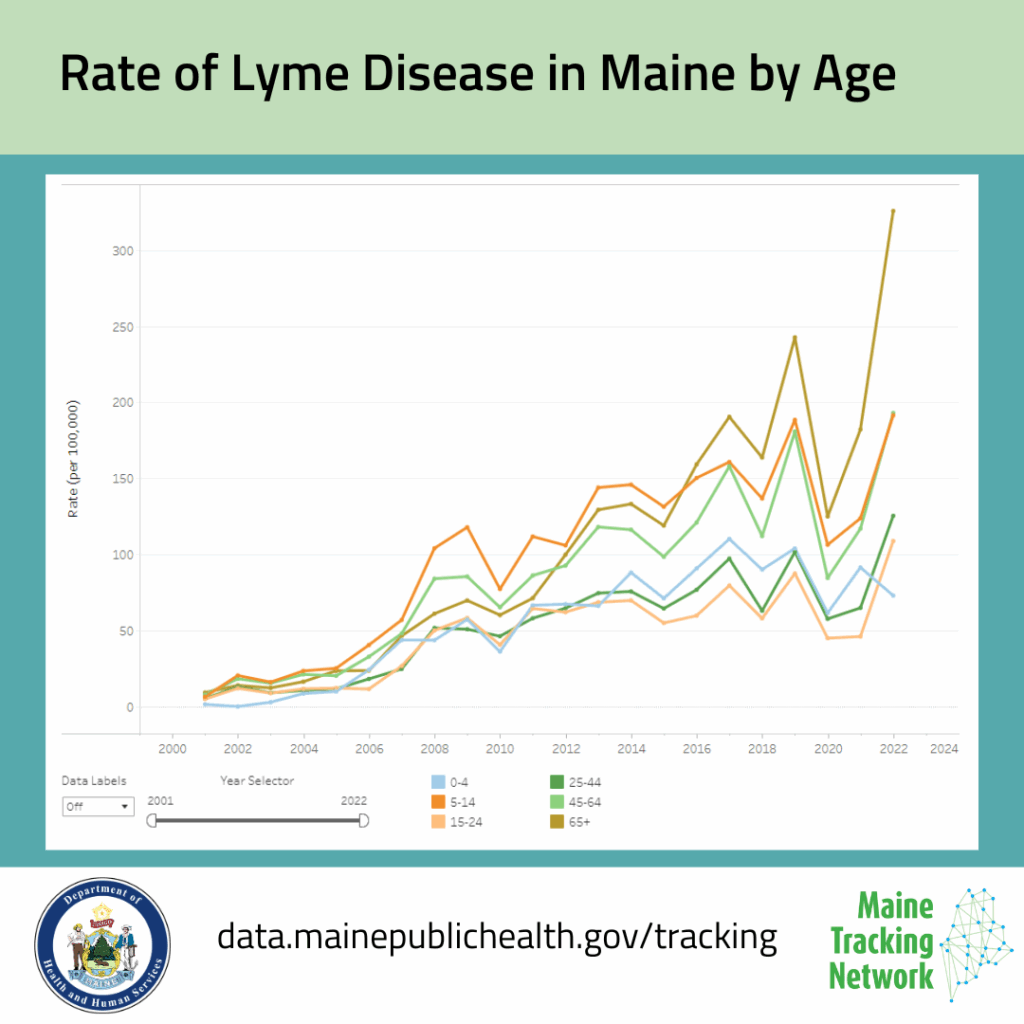
Then the record was broken again. Preliminary data from 2024 showed 3,218 Lyme disease cases, 1,284 cases of anaplasmosis, and 309 cases of babesiosis. Early reporting for 2025 suggests the trend continued, with Maine Public noting preliminary Lyme disease case counts of approximately 3,653, nearly 400 more than the year before.
These are not short-term spikes. They reflect a sustained, multi-year increase in tick-borne disease across the state. Public health officials have also emphasized that deer ticks are now found throughout Maine and can be active whenever temperatures rise above freezing. This extends risk beyond what many people traditionally think of as “tick season.”
When tick populations increase, the impact extends well beyond an occasional bite. Families begin to change how they use their yards. Activities like gardening, playing with pets, or letting kids explore outdoors can come with added stress. Camps and vacation properties, meant for relaxation, can become sources of anxiety instead. For pet owners, the concern is constant. Dogs pick up ticks easily and can bring them indoors, even when families are diligent about checks and prevention.
At a community level, increased tick-borne illness means more medical visits, more missed work and school, and greater long-term health consequences when illnesses are not caught early.This is why Maine matters to us. Our work is not about convenience. It supports a lifestyle people deeply value and want to protect.
As tick pressure continues to rise across Maine, prevention has become just as important as awareness. One of the most encouraging things we see is that Maine residents have access to strong, science-backed resources that help families understand risk and make informed decisions.
Public health organizations in the region consistently emphasize a layered approach to tick prevention. This includes understanding where ticks live, how they behave, and how everyday habits can reduce exposure around homes, camps, and outdoor spaces.
Maine residents also benefit from regionally specific education through the University of Maine Cooperative Extension. Their dedicated tick resource hub offers practical, easy-to-understand information tailored to Maine properties and lifestyles. Topics include tick habitat, personal protection, landscaping considerations, and prevention strategies for residential yards, camps, and rural properties. Because this guidance is rooted in Maine-based research and outreach, it is especially valuable for homeowners looking to make informed, responsible decisions.
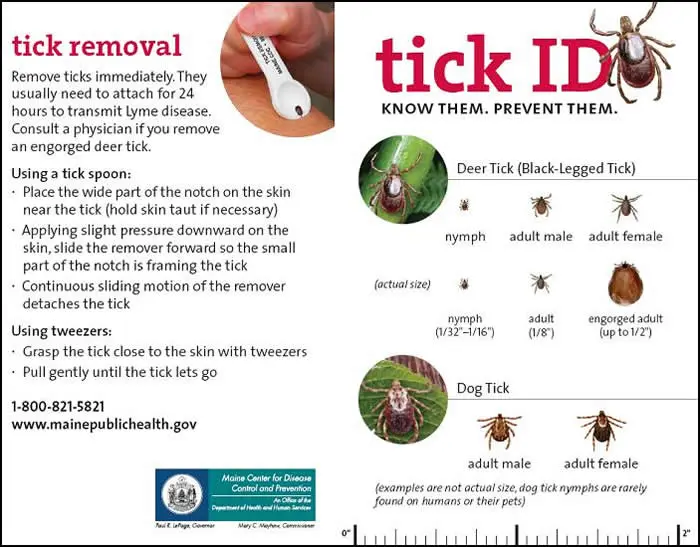
The Maine CDC offers comprehensive guidance on tick identification, disease symptoms, and prevention strategies specific to Maine’s environment. Their resources are especially valuable because they reflect local conditions, including the presence of deer ticks statewide and the reality that ticks can be active whenever temperatures are above freezing.
Local and regional reporting from Maine Public has also played an important role in keeping tick awareness front and center. Their coverage helps translate public health data into practical understanding for families, highlighting why prevention matters and why tick-borne disease is not just a summertime concern.
Education is a powerful tool. When families understand how ticks thrive and how exposure happens, they are better equipped to protect their kids, pets, and outdoor routines. At ohDEER, we see education and prevention as inseparable. Helping people enjoy more time outside starts with giving them the knowledge and resources to do so confidently.
The Maine CDC recommends these tips to prevent tick bites:
S: Shower when you get home to remove crawling ticks. Put clothes in the dryer on high heat for 15 minutes before washing to kill ticks on clothes.
T: Take and use an EPA-approved repellent. Use DEET, picaridin, IR3535 (Ethyl butylacetylaminopropionate), or oil of lemon eucalyptus on skin. Use permethrin on clothing only.
I: Inspect your whole body for ticks daily and after outdoor activities. Check family members and pets too.
C: Cover your skin by wearing a light-colored long sleeve shirt and pants. Tuck your pants into socks.
K: Know when you are in tick habitat and take precautions in areas where ticks may live.


ohDEER was designed for markets where effectiveness and values matter equally. Our approach is rooted in three principles:
Enjoy more time outside.
This is not a tagline. It is our purpose. Outdoor spaces should feel usable, comfortable, and safe for families and pets.
All-natural solutions that respect the environment.
Many homeowners, especially in Maine, are thoughtful about how they care for their land. Our approach aligns with that mindset by prioritizing family- and pet-friendly solutions that are conscious of pollinators and the surrounding ecosystem.
Local owner-operators who become trusted community partners.
The strongest ohDEER locations are led by people who live in the communities they serve. They understand local conditions, educate their neighbors, and build long-term relationships rather than transactional service routes.
In a state where outdoor living is part of identity, that community-first model matters.
Opening our first location in Maine is just the beginning. We see meaningful opportunity to grow thoughtfully across the state, bringing our model to communities that are actively looking for better answers to ticks, mosquitoes, and deer pressure.
For prospective franchise owners, Maine represents a market with clear demand, a strong outdoor lifestyle, and a growing need for education and prevention. If you are exploring a business that aligns with your values, supports your community, and allows you to build something local with long-term impact, Maine may be the right place to start.
To learn more about available territories and what it is like to own an ohDEER location, explore more about the ohDEER franchise opportunity and start the conversation today.